



Targeting the Root Cause
of Pothole Failure.

Stop surface patching.

Start venting subsurface hydraulic pressure.

The UK is trapped in a costly repeat-repair cycle, in excess of 1.5 million repairs a year with a cost of over £150m.  Rising compensation claims.  The status quo is failing the tax payer and the carriageway.

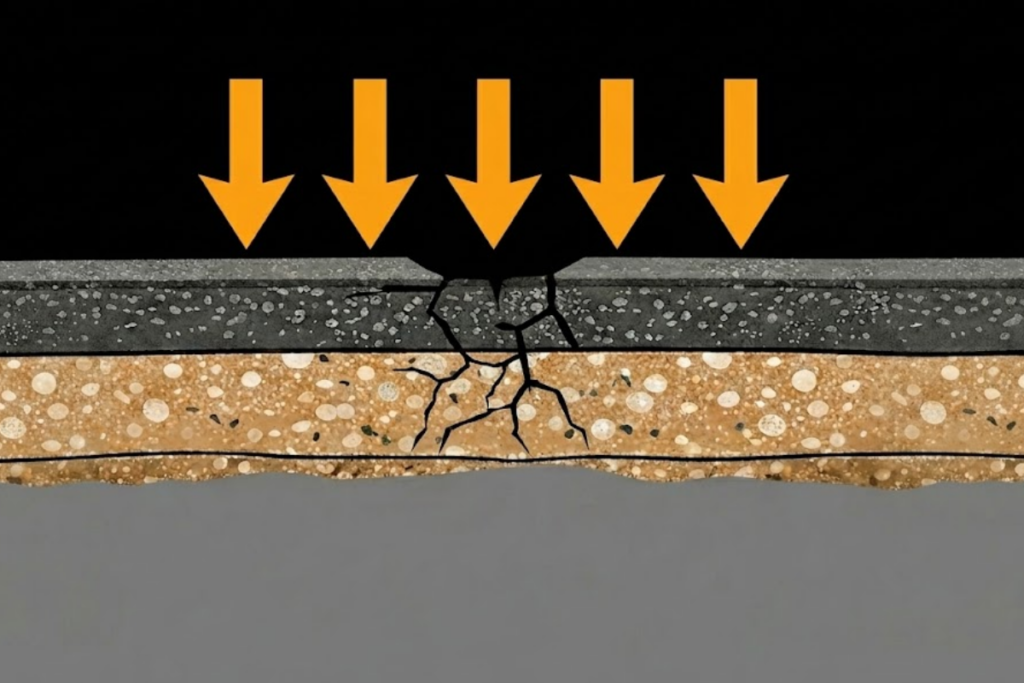
The Traditional Thinking
Surface Failure

Cross-section diagram illustrating the myth of pothole surface failure, showing downward arrows representing traffic pressure on a cracked carriageway.

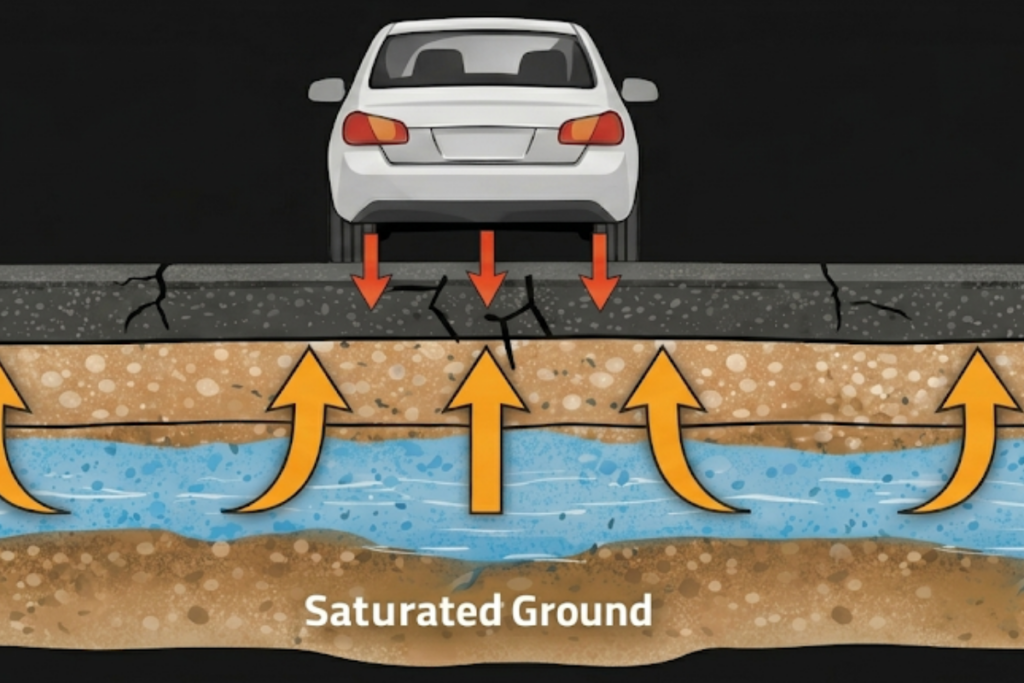
The Reality:
Subsurface Hydraulic Failure

Diagram showing the reality of subsurface hydraulic failure, where a vehicle tyre forces trapped water upwards, debonding the pothole repair from beneath.

Potholes are not a surface material problem; they are a water and pressure management problem.

Passing vehicles force trapped subsurface water upwards, debonding the patch from the inside out.

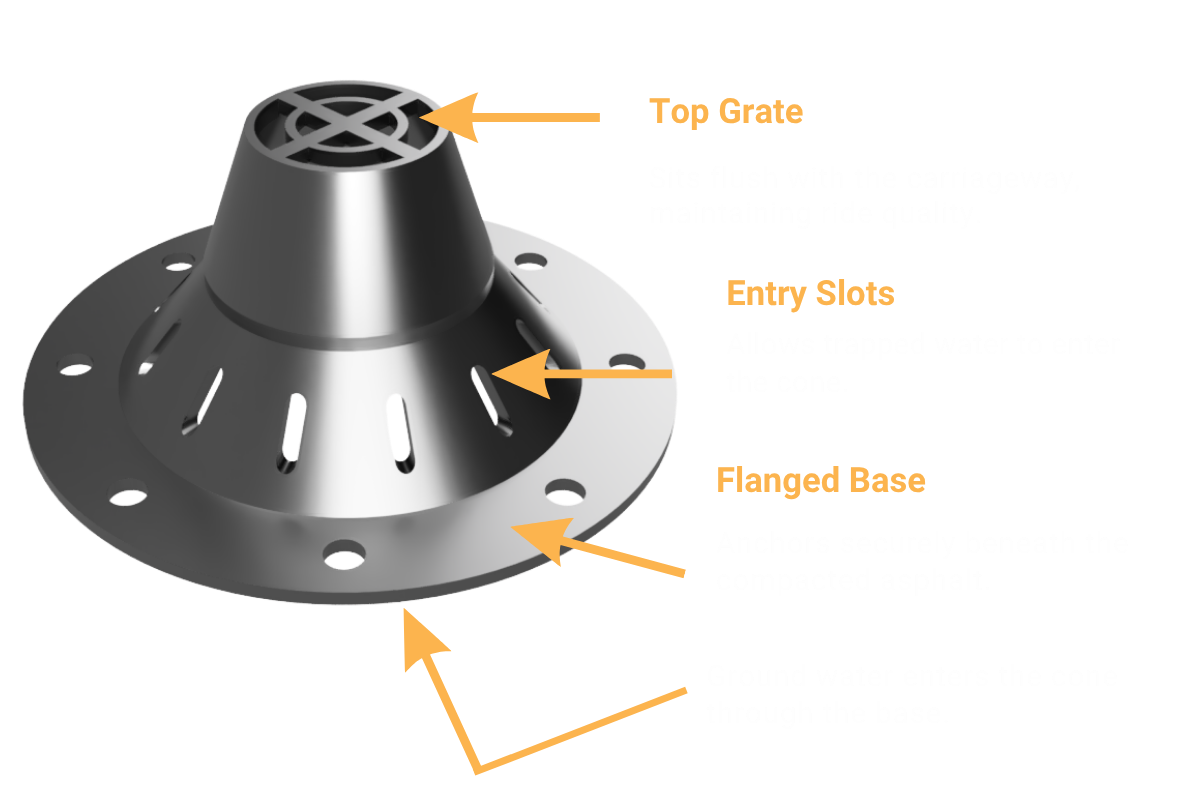
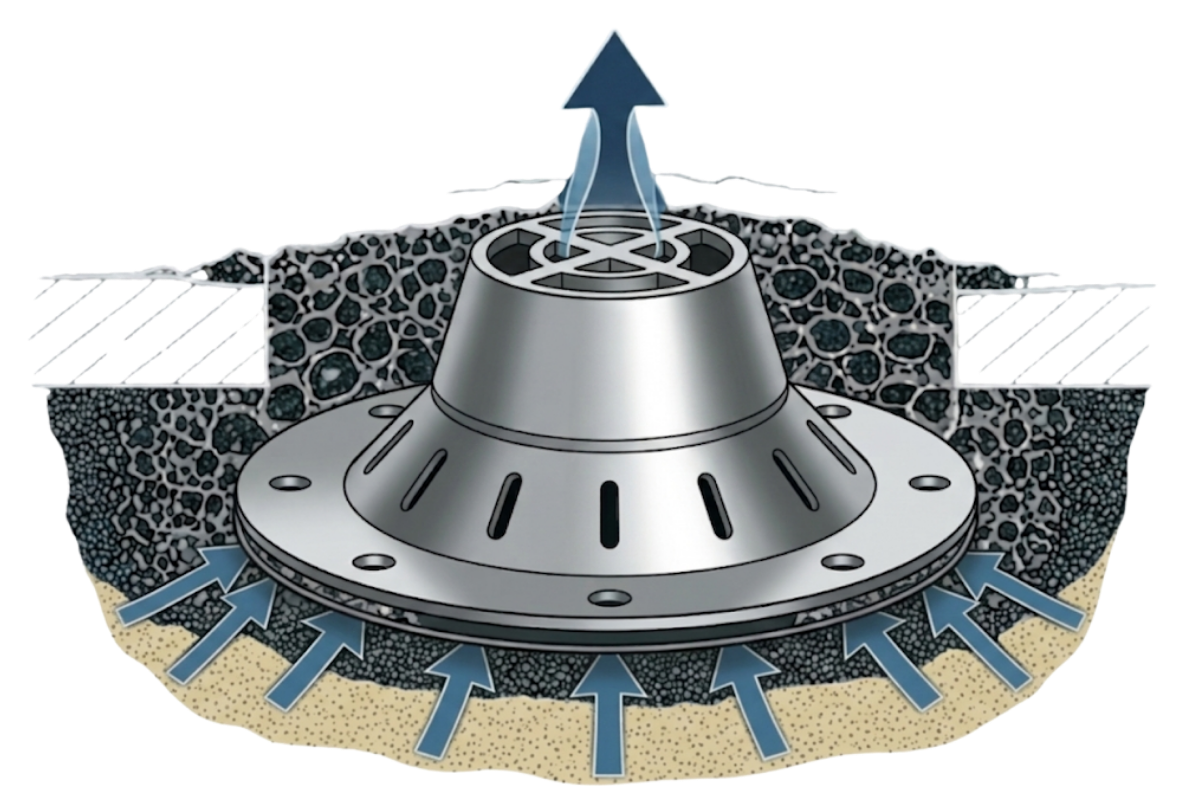
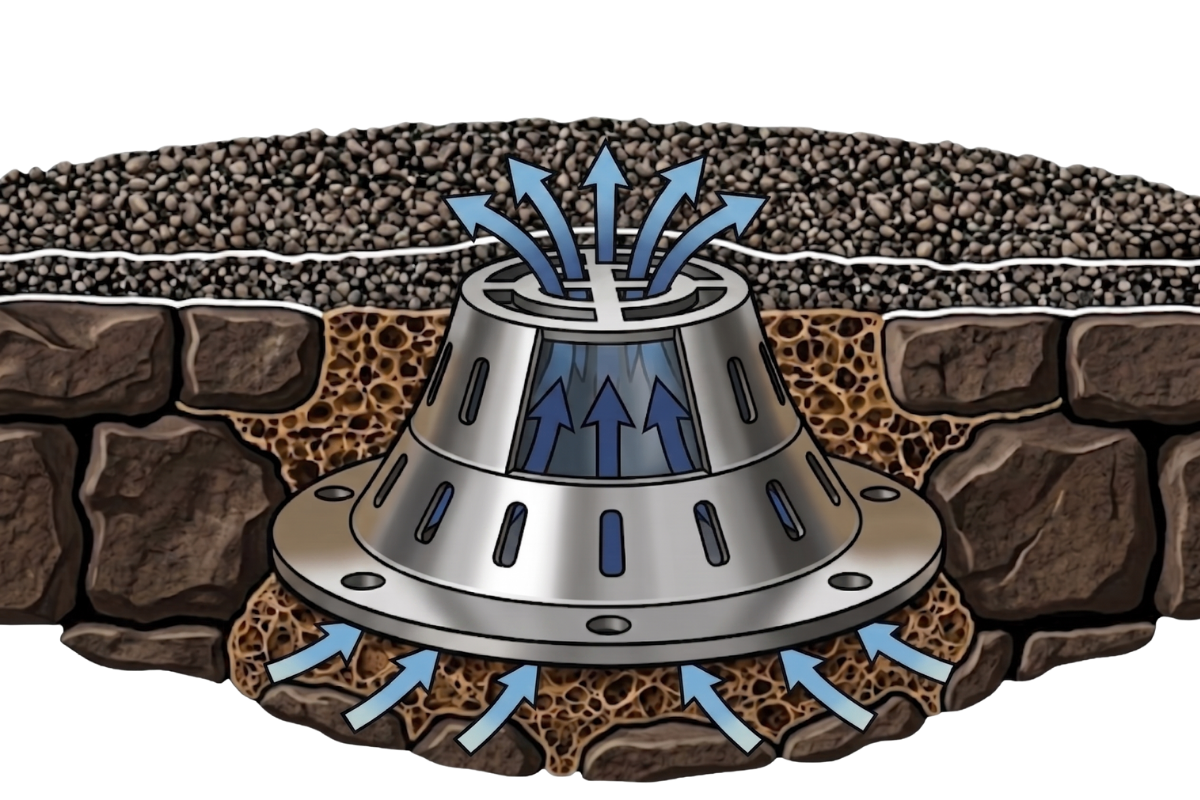
PRODUCT ANATOMY

Before

Water under high pressure is pushed upwards.

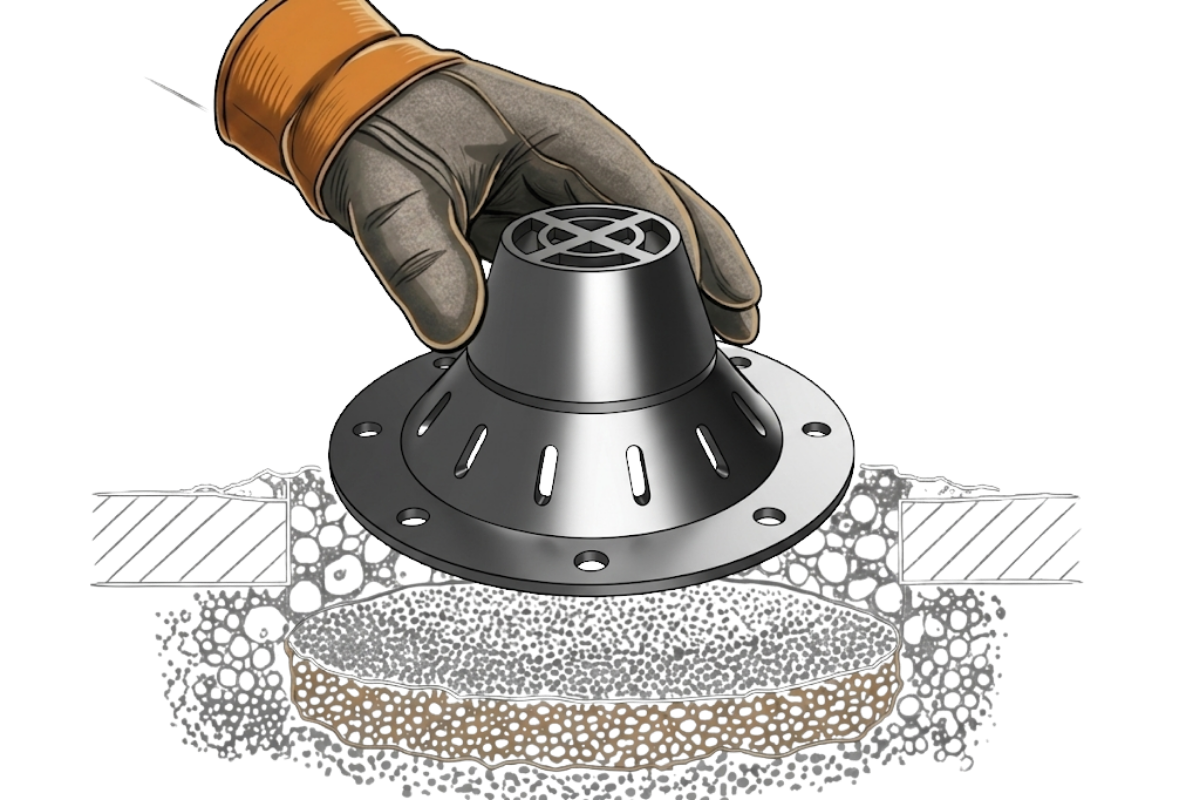
Install

Place relief insert into pothole.

Relieve

Excess water pressure safely vented.

Prolong

Solid Patch with pressure relief below.

The Lightbulb Moment!

PaveVent™ founder Steve Bays holding the children's water toy that inspired the pothole relief device, shaking hands with a headmaster outside a local school.

Innovation often strikes in unexpected places. For PaveVent™, the fundamental breakthrough was inspired by observing the mechanics of a simple child’s catching toy. This sparked a crucial realisation: the highway maintenance industry was fighting the wrong battle by treating potholes purely as a surface material failure. In reality, the true culprit is subsurface hydraulic pressure. Passing vehicles act like massive hydraulic pumps, compressing saturated ground and forcing trapped water upwards to relentlessly destroy standard asphalt patches from the bottom up.

Foundational Pillars of Innovation

Icon of a book and shield representing Pave-Vent's academic validation and university testing

Academic Validation:

Supported by testing and collaboration with Ulster & Nottingham Universities.

Document and chart icon representing the peer-reviewed physics paper underpinning the Pave-Vent concept.

Peer-Reviewed Physics:

Underpinned by an independent physics paper exploring subsurface hydraulic dynamics.

Padlock icon representing the intellectual property and provisional patent application for the Pave-Vent insert.

Intellectual Property:

Protected by an active Provisional Patent Application, progressing toward full UK Patent protection.

Providing an evidence-backed choice for local authority specifiers and procurement frameworks.

How does it work?

Initiate an Evidence-Based Pilot

A low-risk, controlled trial for UK local authorities. Evaluate durability, repeat failure rates, and whole-life cost impacts without long-term procurement commitments.

1 Status Quo £100 avg. repair cost / 12-month lifespan = £100/yr annualised.
2 With PaveVent £115 total cost / 24-month lifespan = £57.50/yr annualised, 42.5% reduction.