
Evidence-Led Pothole Relief.

De-risking the innovation for UK infrastructure specifiers

Cogs icon representing the mechanical engineering insight behind the PaveVent™ pothole relief device.

From Insight to Reality.

The device is a physical, tested compnonet ready for controlled real-world pilot deployment.

University building and graduation cap icon symbolising academic validation and testing of the PaveVent™ device.

University-Backed

Supported by physical testing and ongoing collaboration with engineering experts at Ulster University and the University of Nottingham.

Atom icon representing the peer-reviewed physics and scientific principles underpinning the PaveVent™ solution.

Underpinned by Science

Validated by an independent physics paper exploring subsurface hydraulic dynamics and the venting mechanism.
Will a hollow device simply crush under the weight of an HGV?

Test: Road Load Test (Cyclic Wheel Passes)

Conductor: Dr David Woodward, Ulster University

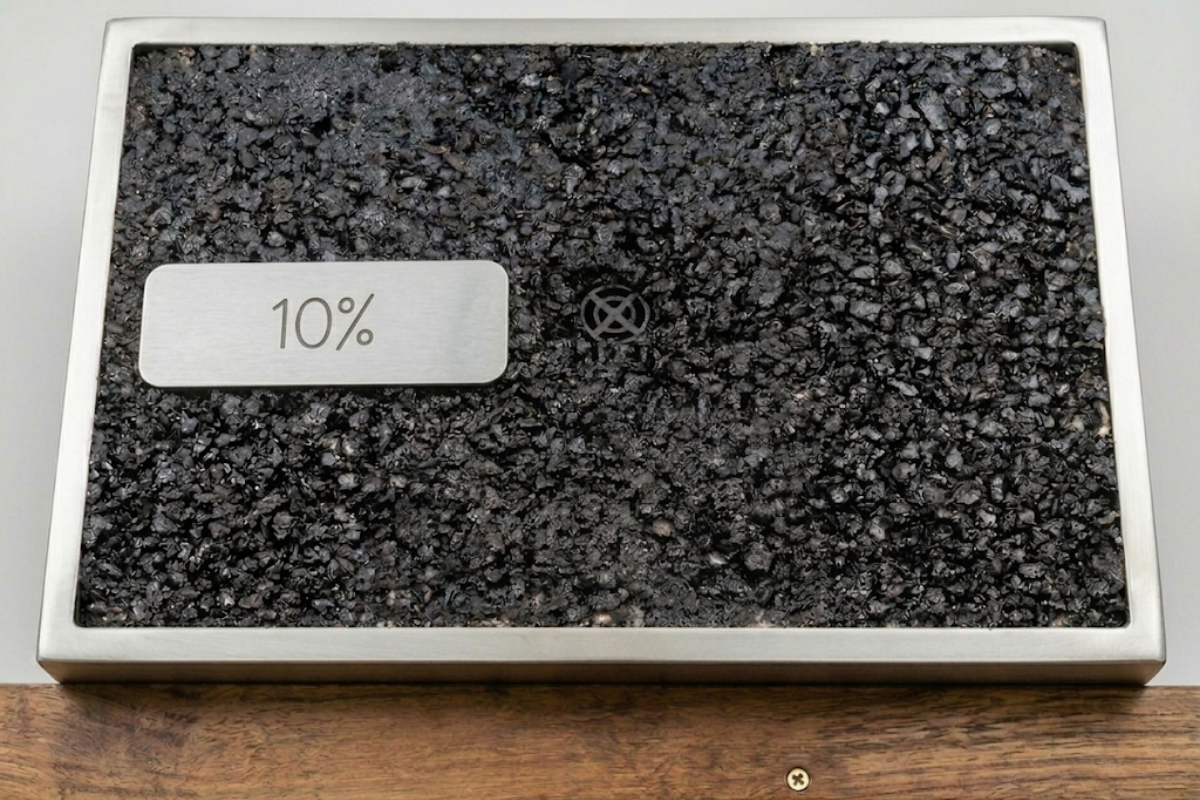
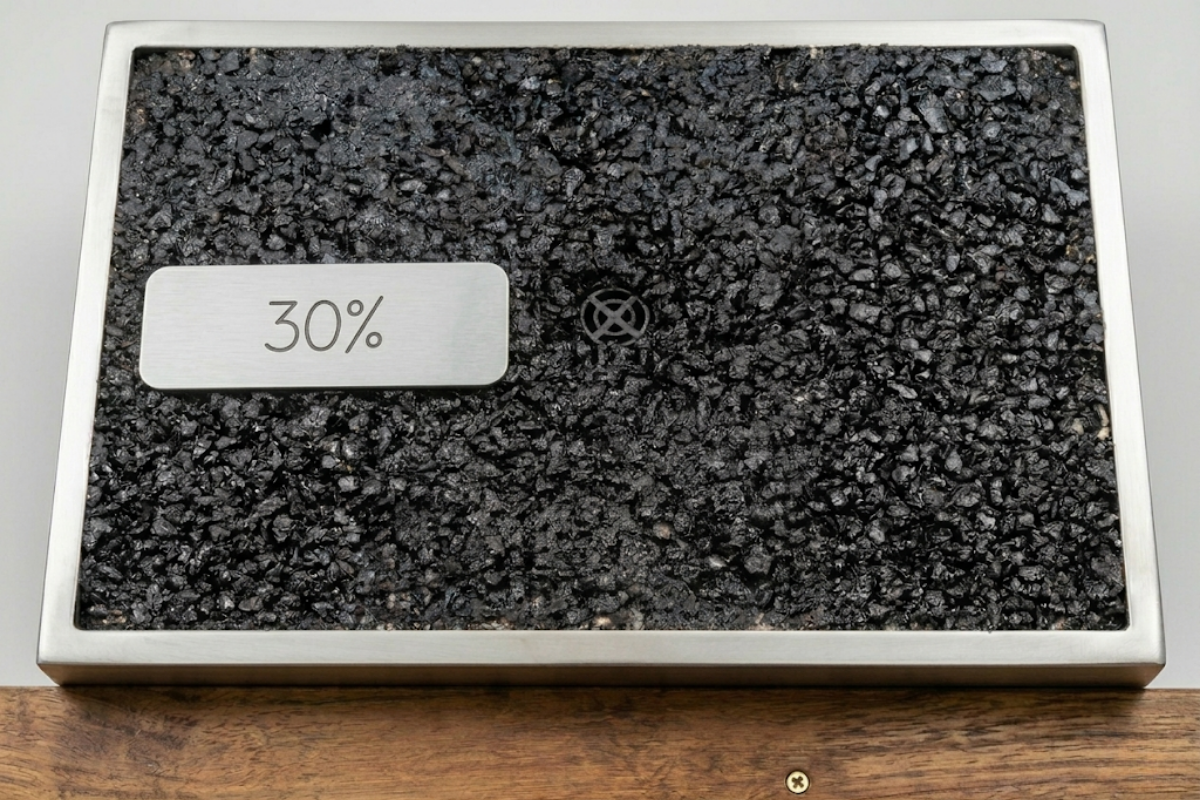
Post-test inspection of the Nylon/Glass 70/30 PaveVent™ device embedded in asphalt, showing no deformation after 2,000 wheel passes.

Nylon/Glass 70/30

Post-test inspection of the Nylon/Glass 90/10 PaveVent™ device in an asphalt sample, maintaining structural soundness under heavy cyclic loading.

Nylon/Glass 90/10

Post-test inspection of the flexible TPE 80A PaveVent™ device installed in asphalt, displaying no signs of damage after road simulator testing.

TPE 80A (Flex)

100,000
Simulated Wheel Passes
0%
Deformation or Rutting
All PaveVent device variants passed the road load test.
Devices maintained secure retention within the asphalt matrix.
Conclusion: High resistance to cyclic loading; structurally sound for real-world carriageways.

Functional Proof: The Physics of Venting

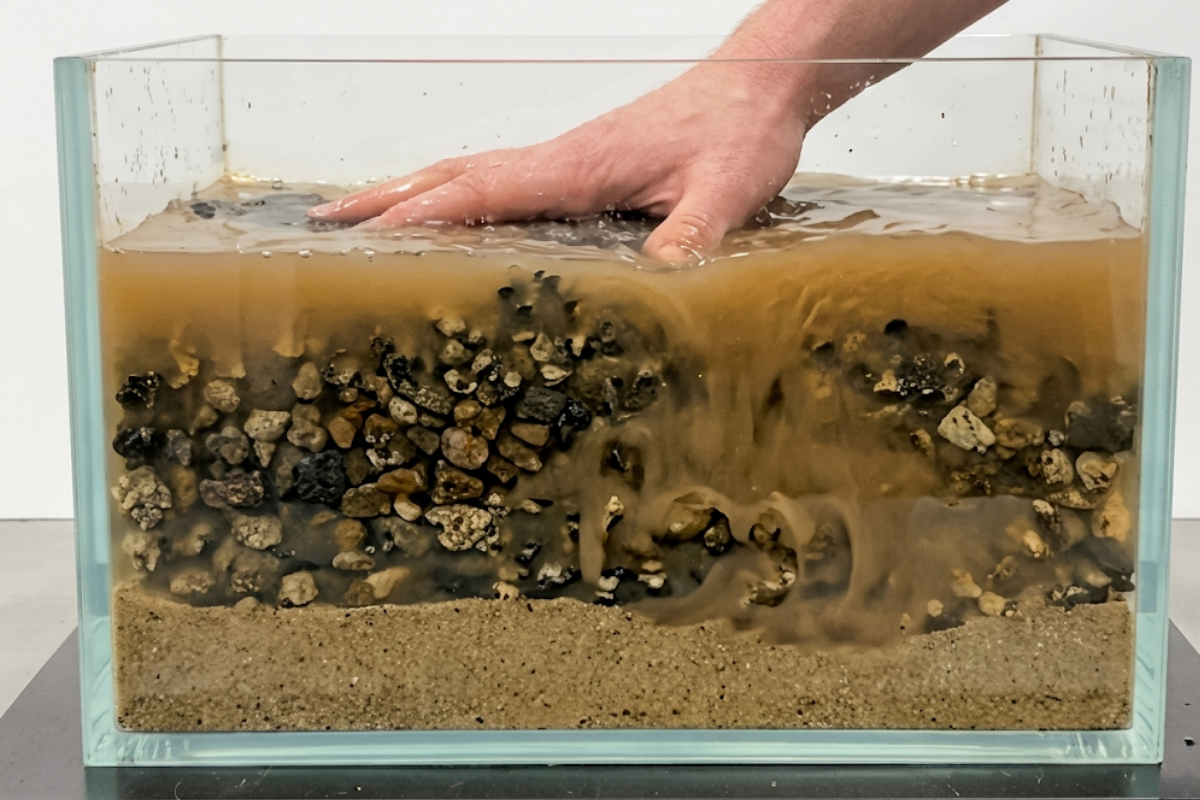
A transparent hydraulic tank simulation demonstrating the PaveVent™ insert mobilising subsurface water and dispersing fines under pressure.

Subsurface Mobilisation (Hydraulic Pumping Test)

Under saturated conditions, applied pressure mobilises water and disperses fines. Water visibly migrates away from the central area, demonstrating active subsurface drainage.
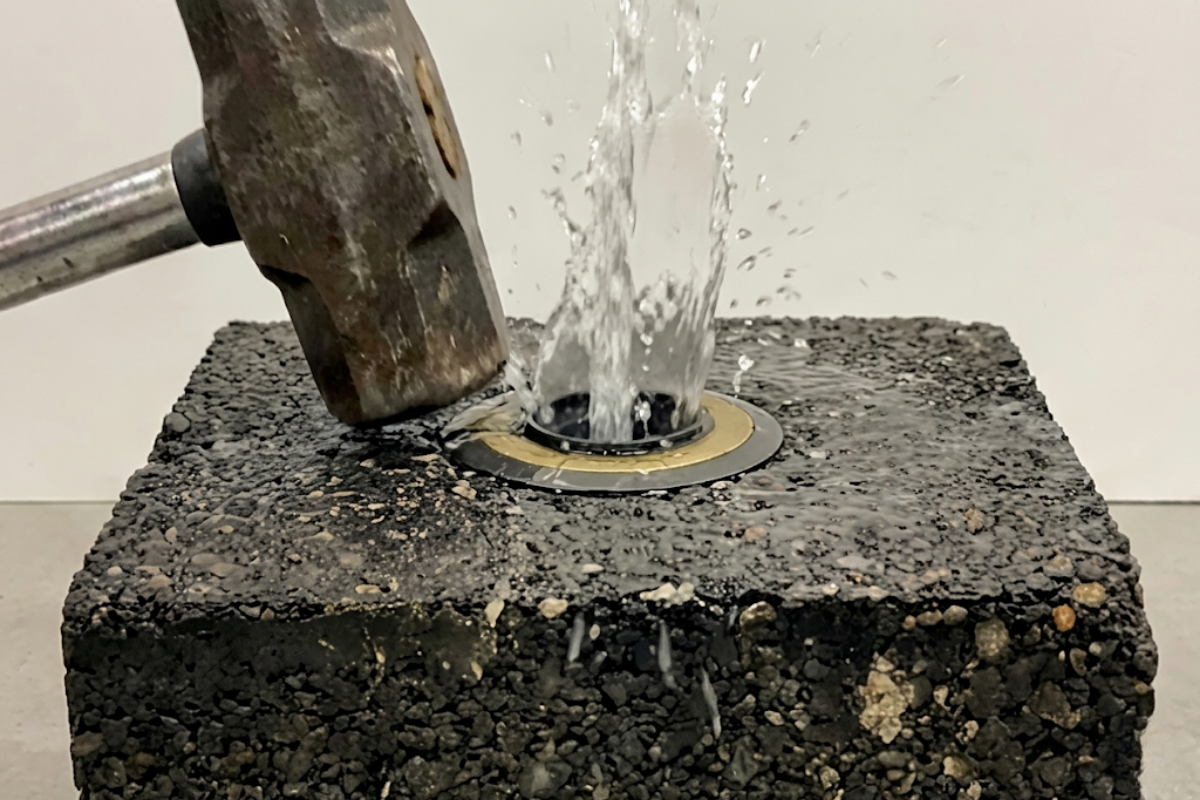
A hammer striking an asphalt block to simulate traffic loading, causing trapped water to immediately eject vertically out of the PaveVent™ relief insert.

Surface Ejection (Load -Induced Displacement Test)

Immediate vertical ejection of trapped water. The device successful converts downward compressive mechanical load into a defined, upward vertical flow path.
Core Takeaway: Mechanical load activates the vent.  Destructive hydraulic pressure is safely redirected away from the base layer, preventing debonding.

Material & Environmental Resilience

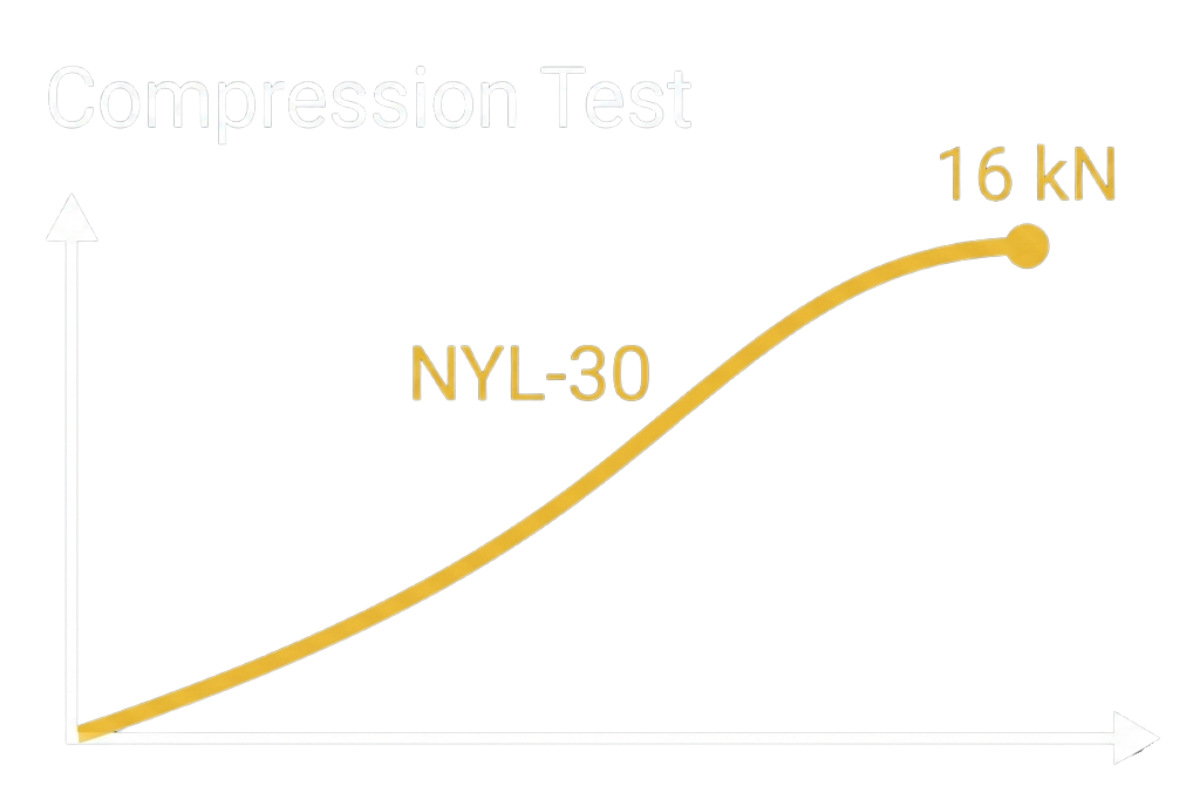
Dashboard Metric: (Load Capacity Limits)
NYL-30 compression test load capacity graph showing peak load capacity of 16 kN

NYL-30 variant demonstrates superior load-bearing performance, achieving a peak load capacity of ~15–16 kN.

Maintains structural integrity longest, providing high strength and stiffness.
Dashboard Metric: (Seasonal Survival)
Freeze-Thaw Test
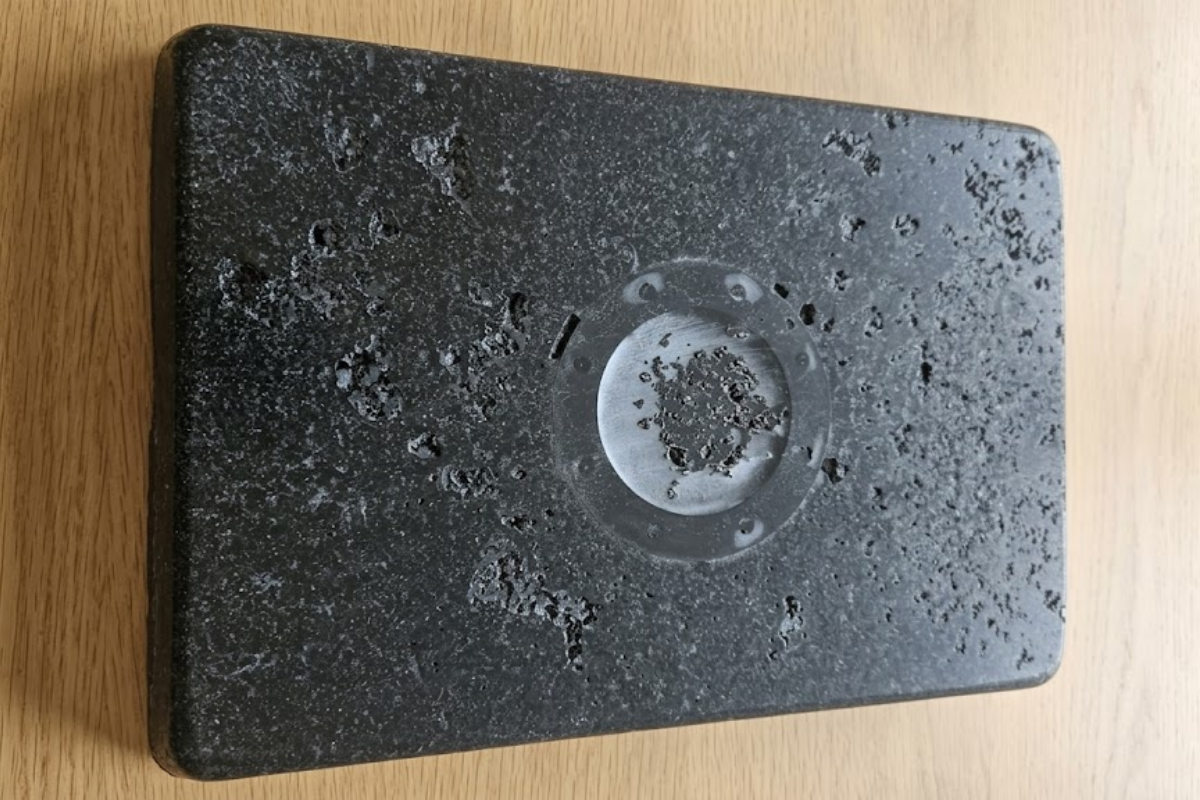
PaveVent freeze-thaw asphalt test showing structural integrity during ice expansion

When saturated and frozen, expanding water is forced upward through the device and discharged safely onto the asphalt surface.

Result: Zero explosive cracking or lateral displacement within the asphalt body.

Yellow, white, and black branded download icon for the PaveVent™ Compression Test Report.

Compression
Test
Report

20 April 2026

NYL-30variant yields ~ 15-16kN highest load capacity.

PaveVent™ brand coloured icon for downloading the Freeze-Thaw Test Report

Freeze-Thaw
Test
Report

30 April 2026

Water vertically vented; zero explosive structural cracking observed.

Yellow, white, and black icon representing the PaveVent™ Hydraulic Pumping Test Report download.

Hydraulic
Pumping Test
Report

3 May 2026

Active drainage confirmed under dynamic saturated conditions.

PaveVent™ branded download icon for the Load-Induced Water Displacement Test Report.

Load Induced
Water
Displacement

30 April 2026

Immediate vertical ejection upon simulated traffic impact.

Branded download icon for the independent PaveVent™ Road Load Test Report conducted by Ulster University.

Road
Simulator
Test

30 April 2026 | Ulster University

Passed 100,000 wheel passes intact.

Initiate an Evidence-Based Pilot

A low-risk, controlled trial for UK road network operators and framework contractors. Evaluate durability, repeat failure rates, and whole-life cost impacts without long-term procurement commitments.

1. Status Quo
£100 avg. repair cost / 12-month lifespan = £100/yr annualised.
2. With PaveVent
£115 total cost / 24-month lifespan = £57.50/yr annualised
(42.5% reduction).

PaveVent™ Testing & Validation FAQs

Has the PaveVent™ device been independently tested?

Yes, the PaveVent™ pothole relief device has undergone rigorous independent physical testing, including a Road Load Test conducted at Ulster University that subjected the engineered inserts to 100,000 cyclic wheel passes with no structural deformation.

No. Official freeze-thaw testing demonstrates that the device safely channels expanding ice and water vertically out of its top grate onto the road surface, rather than allowing it to expand laterally and crack the surrounding asphalt.

Yes. Compression testing confirms that the high-strength NYL-30 material variant of the PaveVent™ device achieves a superior load capacity of 15-16 kN, maintaining its structural integrity without failing under heavy vehicular loading.

Functional testing, including Load-Induced Water Displacement simulations, physically proves that the downward mechanical load of passing traffic actively forces trapped subsurface water to safely eject vertically through the device, actively relieving destructive hydraulic pressure.