Scalability Across Road Networks.
Stop surface patching. Start venting subsurface hydraulic pressure network-wide.
The £18.6 bn Trap
Locks the UK into a costly repeat-repair cycle of 1.5 million repairs per year.
Frictionless Integration
The PaveVent™ Workflow
Drops directly into existing contractor workflows. Requires zero new specialist plant and utilises standard asphalt.
- No New Specialist Plant - Installs using standard equipment already on the truck
- Utilises Standard Asphalt - Fully compatible with current repair materials and compaction methods.
- Seamless Contractor Workflow - Drops directly into existing patching routines requiring minimal behavioural change from crews.
- Universal Application - Applicable to reactive pothole repairs, preventative maintenance, and utility works.

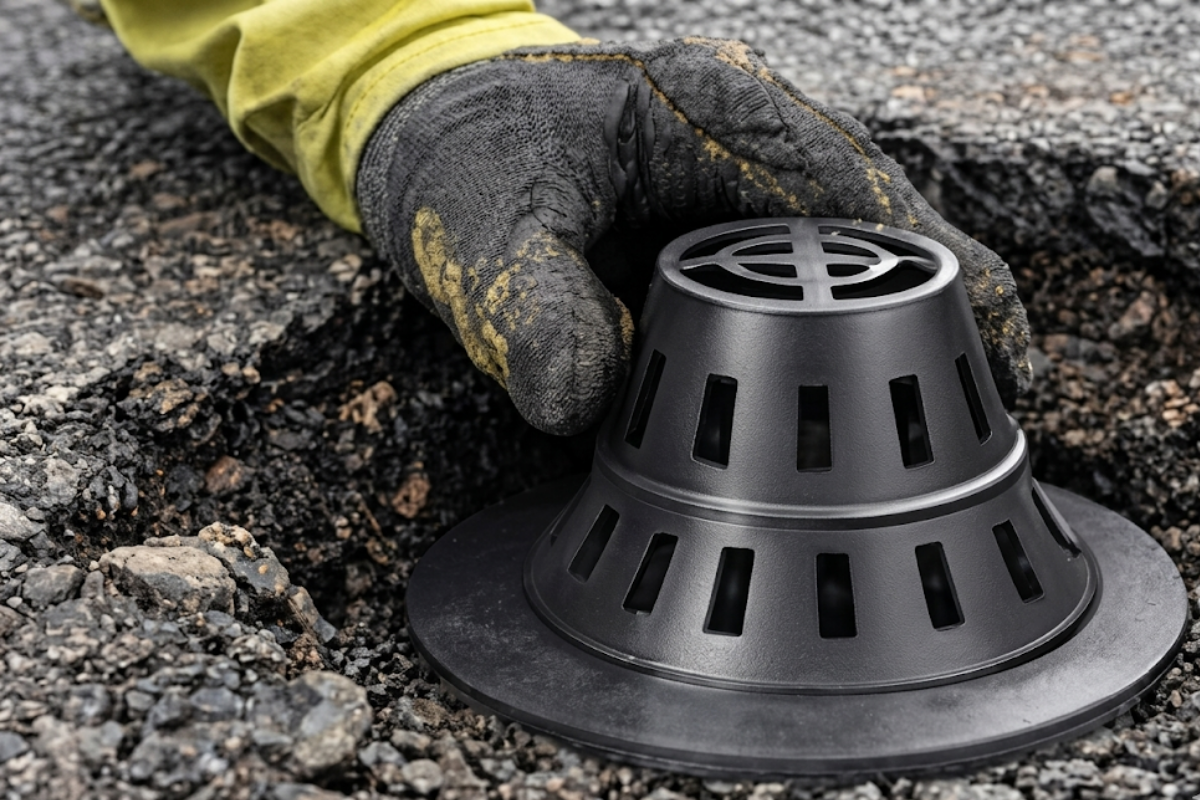
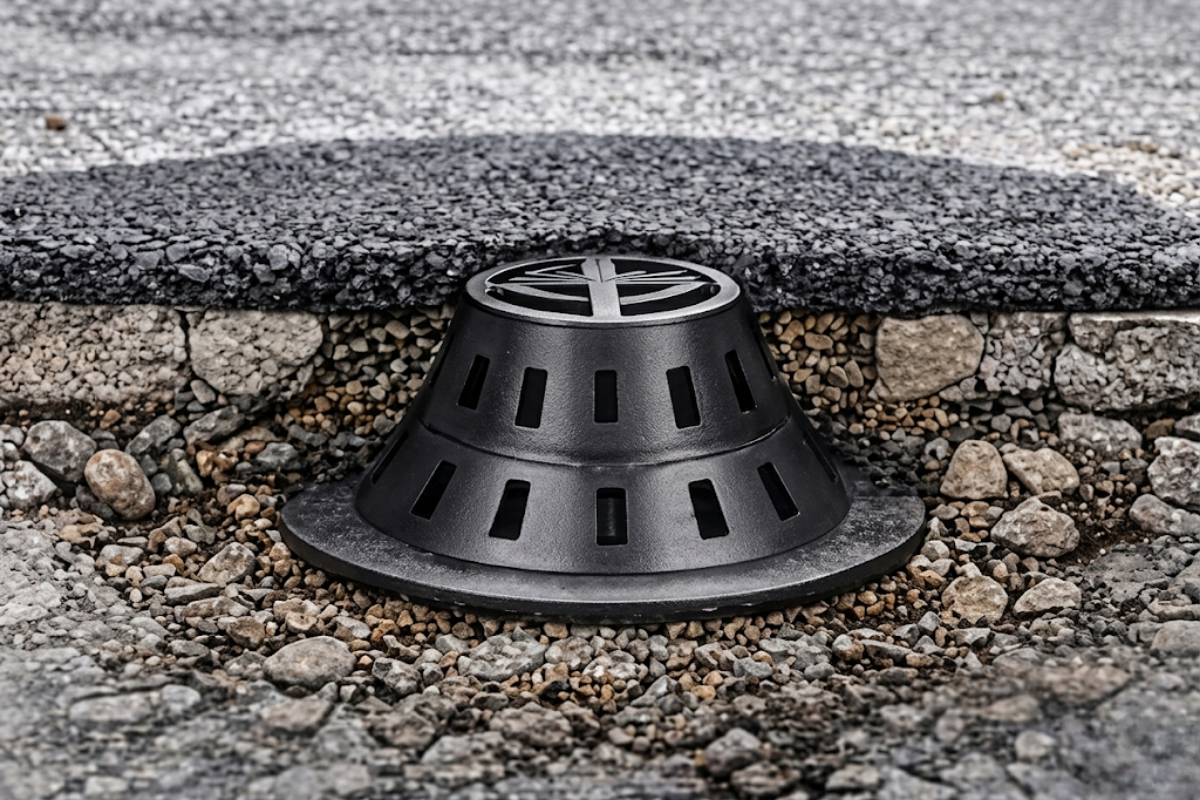
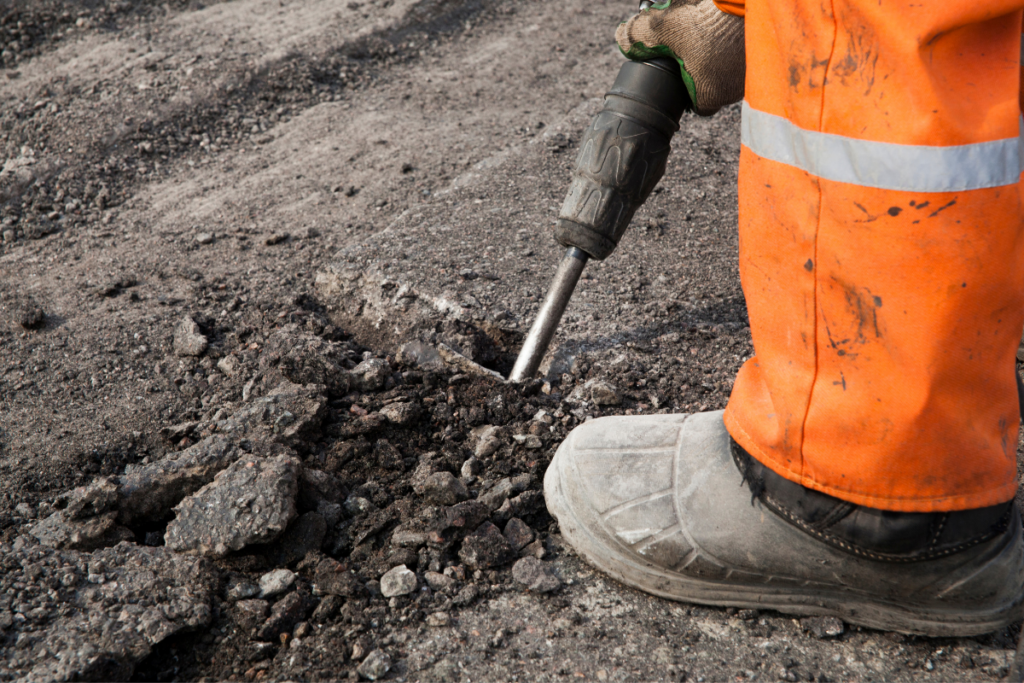
Prepare the Hole

Insert PaveVent™

Add Asphalt
Scalable Applications Across the Road Network
Pothole Repair
The PaveVent™ device drops seamlessly into existing contractor workflows for immediate, frictionless integration into standard patching routines without requiring specialist plant. By installing the insert into a prepared pothole prior to resurfacing, it directly relieves destructive hydraulic pressure by safely venting trapped water to the road surface. This prevents the debonding and edge failure that typically destroy conventional repairs from the inside out, significantly extending the lifespan of the patch.
Preventative Maintenance in New Roads
Beyond reactive patching, the exact same PaveVent™ hydraulic relief principles can be proactively applied during new road construction to prevent potholes before they even form. By integrating the inserts as a standard component when a carriageway is first laid, developers can stop the initial build-up of subsurface hydrostatic pressure under heavy traffic loading. This long-term preventative measure actively manages trapped groundwater, safeguarding the structural integrity of the new road from day one.
Utility Trench Reinstatement
Carriageways are frequently compromised when excavated for infrastructure improvements, such as laying cables or accessing utilities. Integrating the PaveVent™ insert as a standard component of the “making good” procedure ensures these vulnerable utility trenches are permanently protected against future hydraulic pumping. This scalable application helps framework contractors deliver a far more durable reinstatement, heavily reducing the likelihood of the repaired road surface breaking down prematurely.
Integration FAQs for Specifiers and Contractors
Where can the PaveVent™ relief insert be used?
The PaveVent™ device is designed for scalable universal application across road networks, including reactive pothole repairs, preventative integration during new road construction, and utility or infrastructure reinstatements.
Does installing PaveVent™ require specialist plant or equipment?
No. The PaveVent™ insert drops directly into existing contractor workflows. It utilises standard tarmac and compaction methods, requiring zero new specialist plant and minimal behavioural change from repair crews.
How does a hydraulic relief insert extend the life of a repair?
By safely venting trapped subsurface water to the road surface, the device relieves the intense hydraulic pressure caused by heavy traffic loading. This active venting prevents the debonding and edge failure that typically destroy conventional repairs from the inside out.
12-month lifespan = £100/yr
annualised.
24-month lifespan = £57.50/yr
annualised.
whole-life cost.
12-month lifespan
annualised.
24-month lifespan
annualised.
whole-life cost.
Initiate an Evidence-Based Pilot
A low-risk, controlled trial for UK road network operators and framework contractors without long-term procurement commitments.